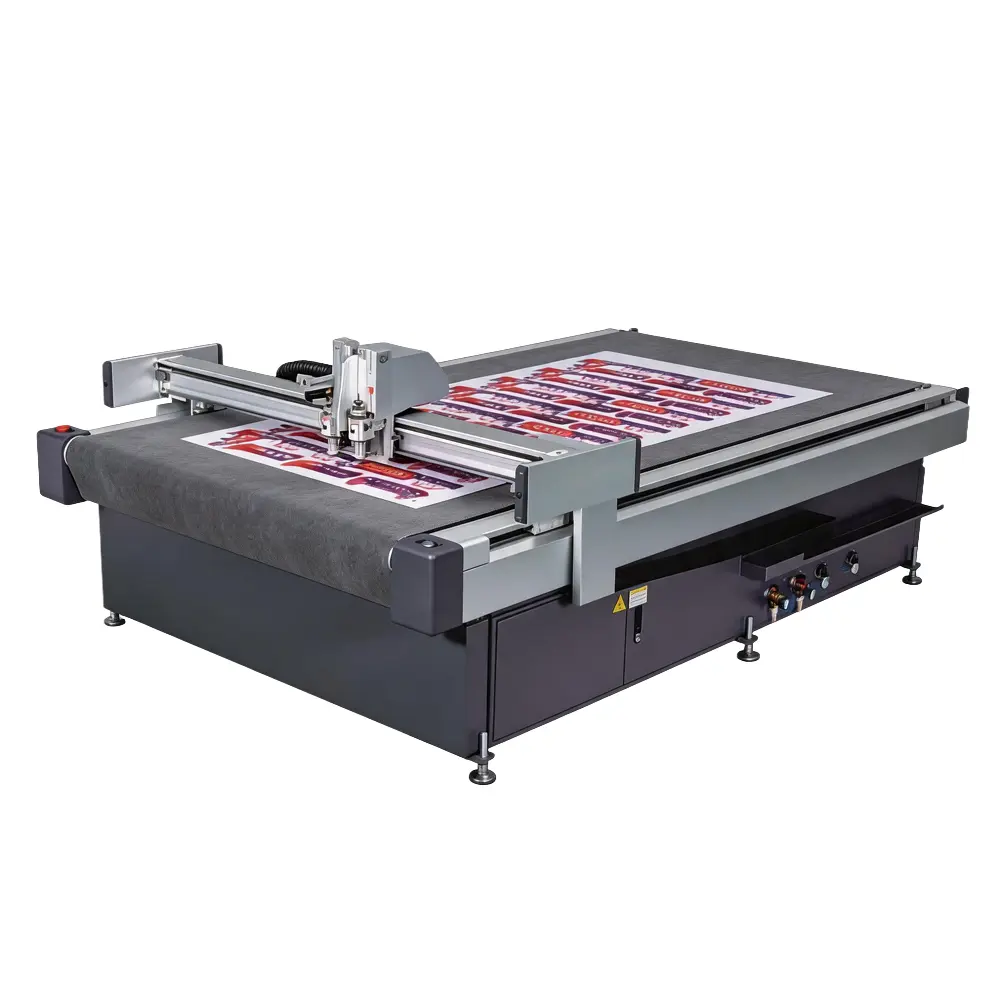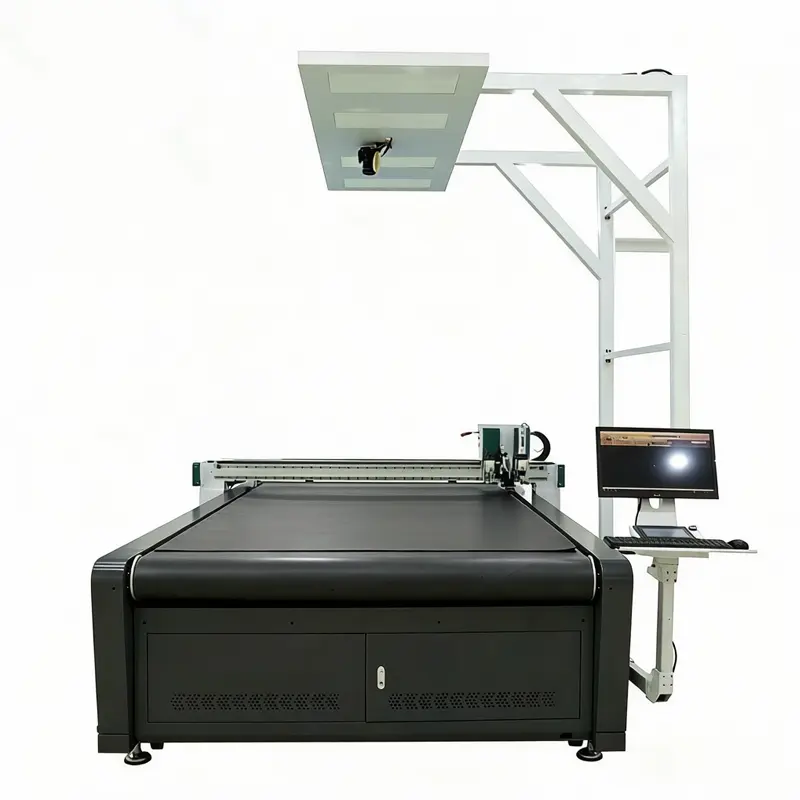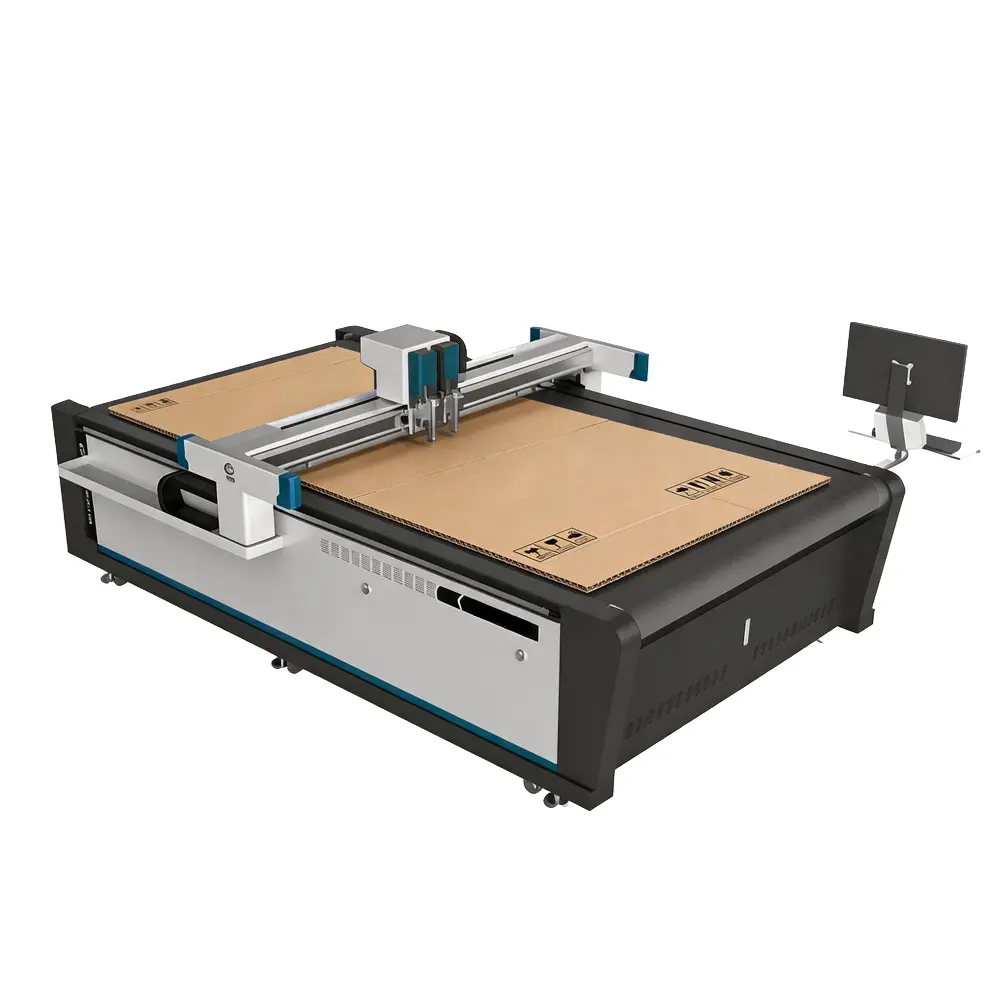
A: REMEYA acoustic panel cutting machines are specifically designed for PET felt, polyester fiber acoustic panels, melamine foam, and other sound-absorbing materials commonly used in modern interior projects.
They can handle standard sheet sizes as well as thicker panels (up to applicable thickness) for walls, ceilings, baffles, and free-hanging acoustic elements.
A: Yes. The integrated CNC system follows your CAD designs to cut curves, geometric patterns, perforations, letters, logos, as well as V-grooves and bevels where required.
This gives acoustic panel manufacturers and designers full creative freedom to combine acoustic performance with unique visual effects, including custom branding and decorative cutouts.
A: CNC acoustic panel cutting replaces manual marking, measuring, and hand cutting with digital files and automated motion control. This significantly improves accuracy, cutting speed, and repeatability across all panels.
It reduces labor intensity, lowers material waste from human error, and makes it easy to recall and reproduce the same design for future projects, even months later.
A: REMEYA provides comprehensive training on machine operation, file preparation (CAD/CAM), cutting parameter settings (speed, depth, tooling), and daily maintenance procedures. Training is available online or on-site as needed.
Ongoing technical support helps you optimize cutting quality and production efficiency as your acoustic panel business grows.
A: REMEYA machines typically use oscillating knives, drag knives, or V-cut tools depending on material thickness and shape requirements. For PET and polyester fiber materials, oscillating knives offer clean edges and long tool life.
Tool replacement frequency depends on runtime and material abrasiveness, but under normal use, a standard blade can last several weeks of continuous cutting. Replacement blades are easy to source and change.
A: While acoustic panels like PET felt produce minimal dust compared to wood or metal, REMEYA recommends using a basic dust extraction system or a brush table to keep the cutting bed clean and maintain suction for material hold-down.
For materials that may generate fine particles (e.g., certain foams), an optional dust collector can be added. Standard workshop ventilation is usually sufficient.
A: REMEYA machines accept standard CAD file formats including DXF, DWG, AI, and PLT. Most nesting and design software (AutoCAD, Adobe Illustrator, CorelDRAW, etc.) can be used.
The included control software supports easy import, toolpath generation, and nesting optimization to maximize material yield.
A: Depending on material thickness and knife power, some REMEYA models can cut two or more layers of thin acoustic felt simultaneously. However, for precision cuts on thicker panels (e.g., 9–15mm polyester fiber), single-layer cutting is recommended to maintain edge quality and shape accuracy.
A: REMEYA machines typically achieve cutting accuracy within ±0.1mm to ±0.5mm, depending on material type and cutting speed. This level of precision ensures tight-fitting joints, clean perforations, and consistent repeatability for complex patterns.
A: REMEYA offers various working area sizes (e.g., 1.3m×2.5m, 1.6m×3.0m, or custom). Standard single-phase 220V or three-phase 380V options are available depending on model.
No special foundation is required – a flat, level floor with adequate clearance for material loading/unloading is sufficient.

Before starting to use our service, please fill in the form, to tellus what CNC Knife Cutting Machine you want to import from China.