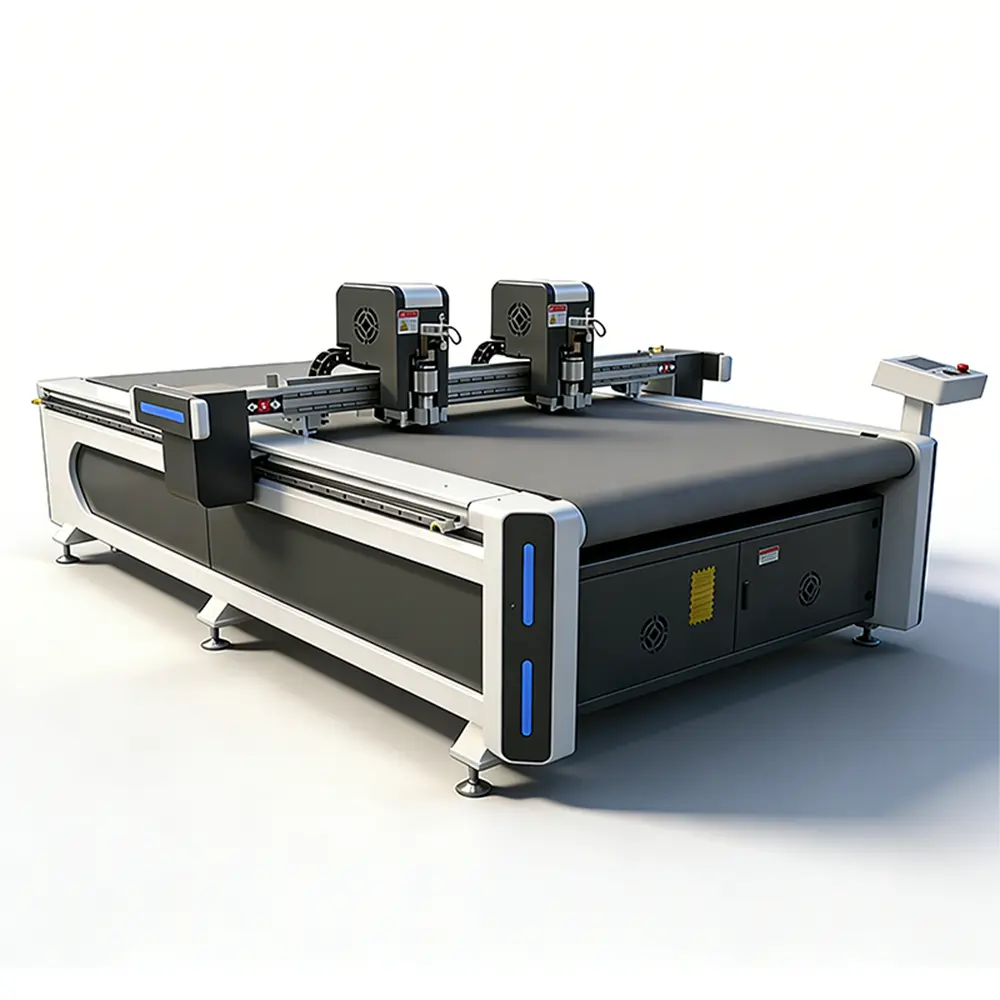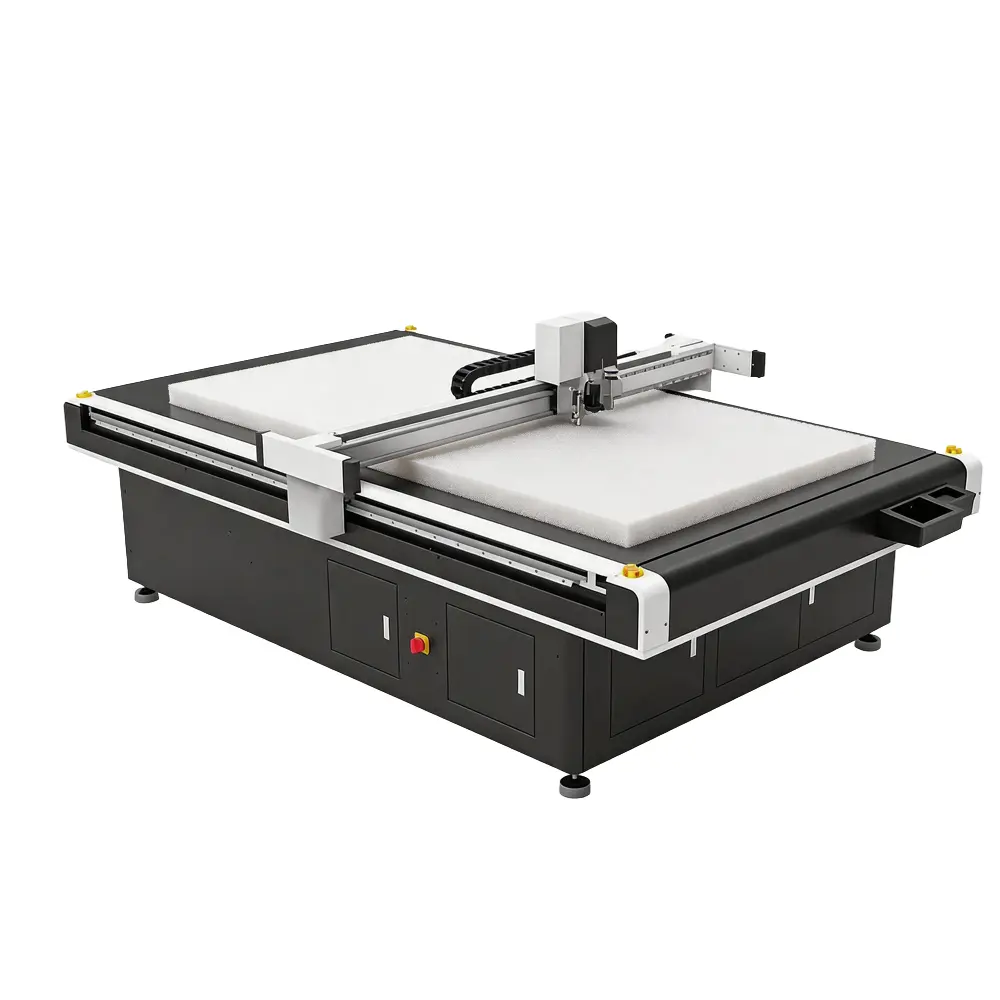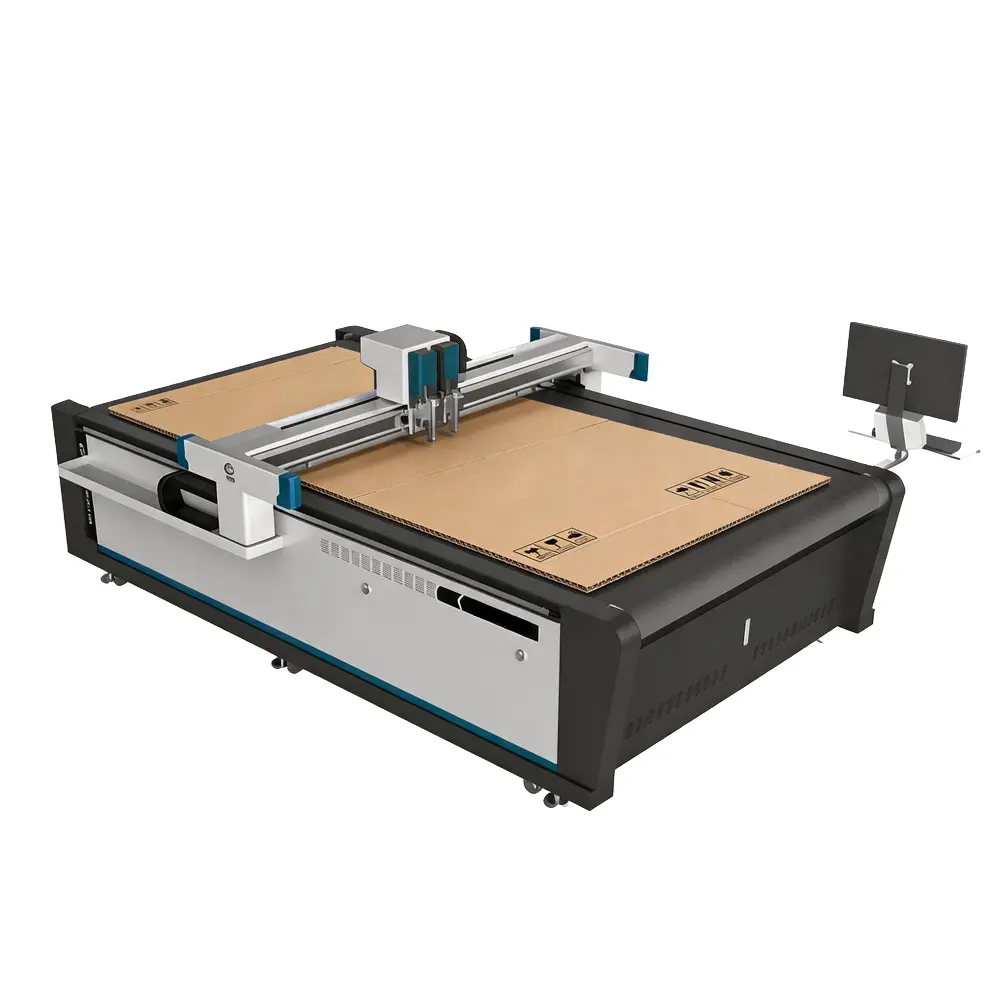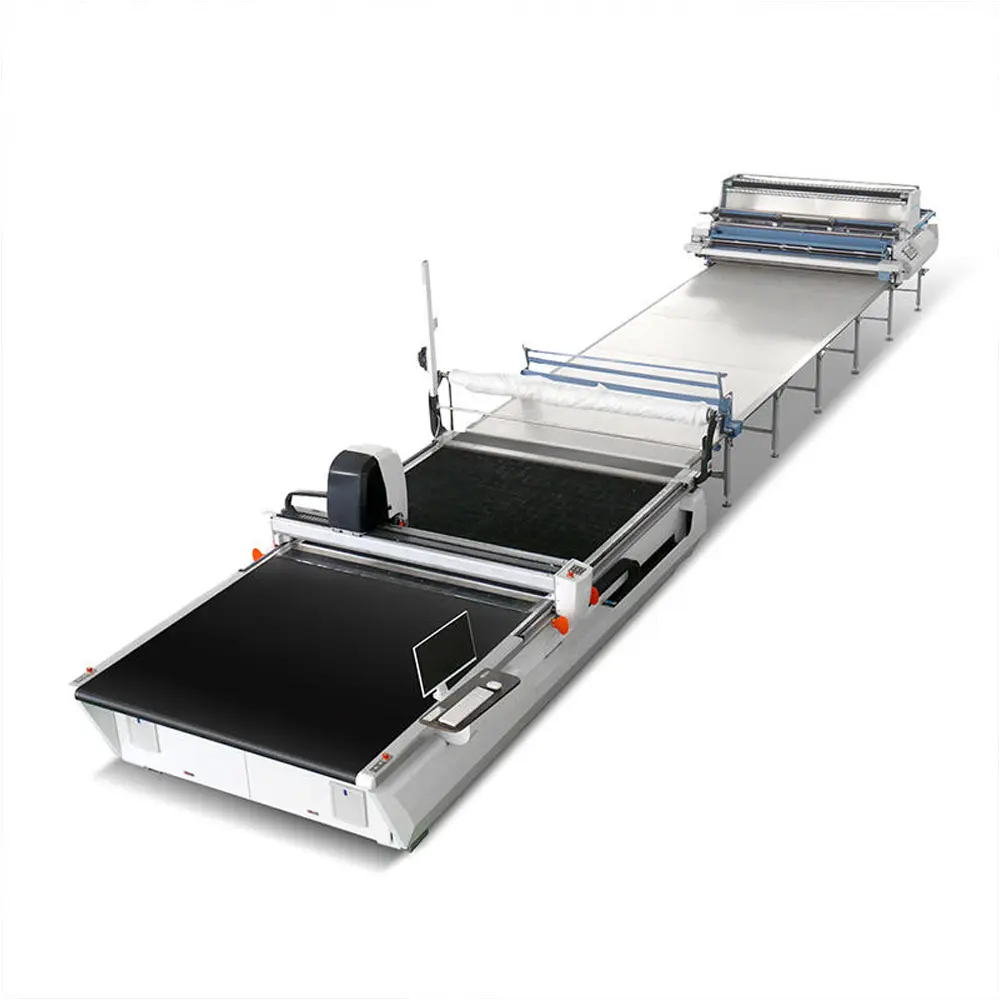
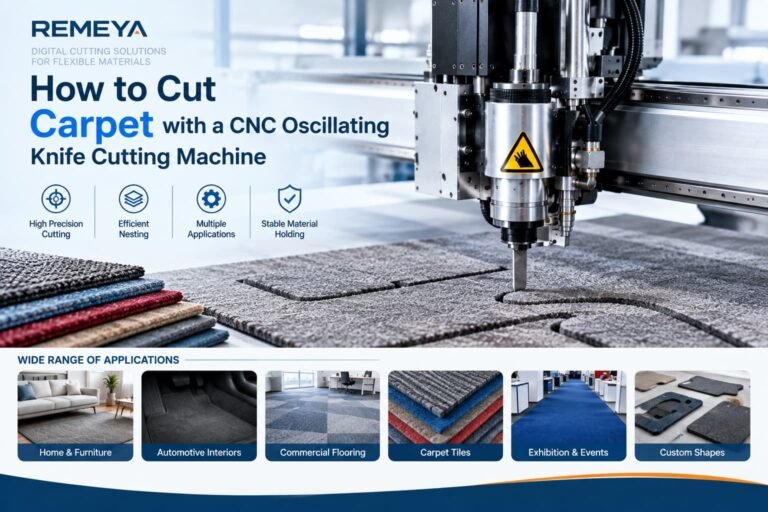
How to Cut Carpet with a CNC Oscillating Knife Cutting Machine
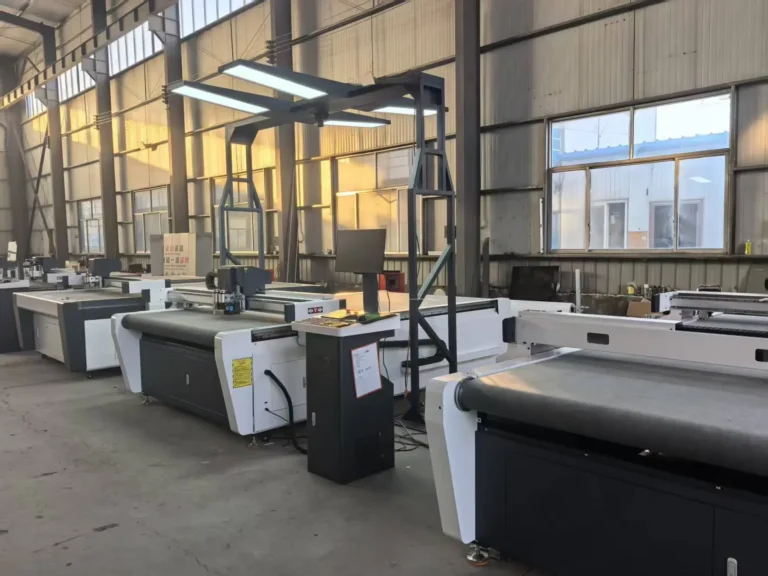
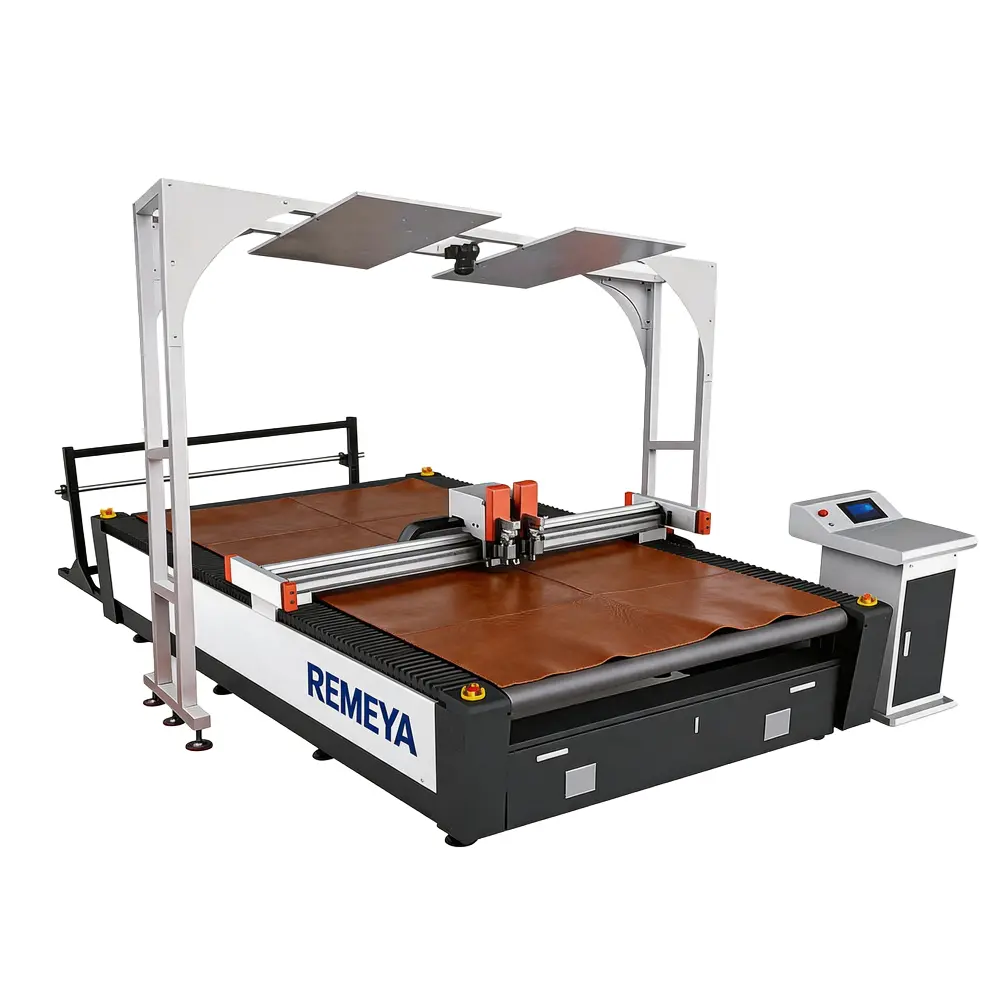
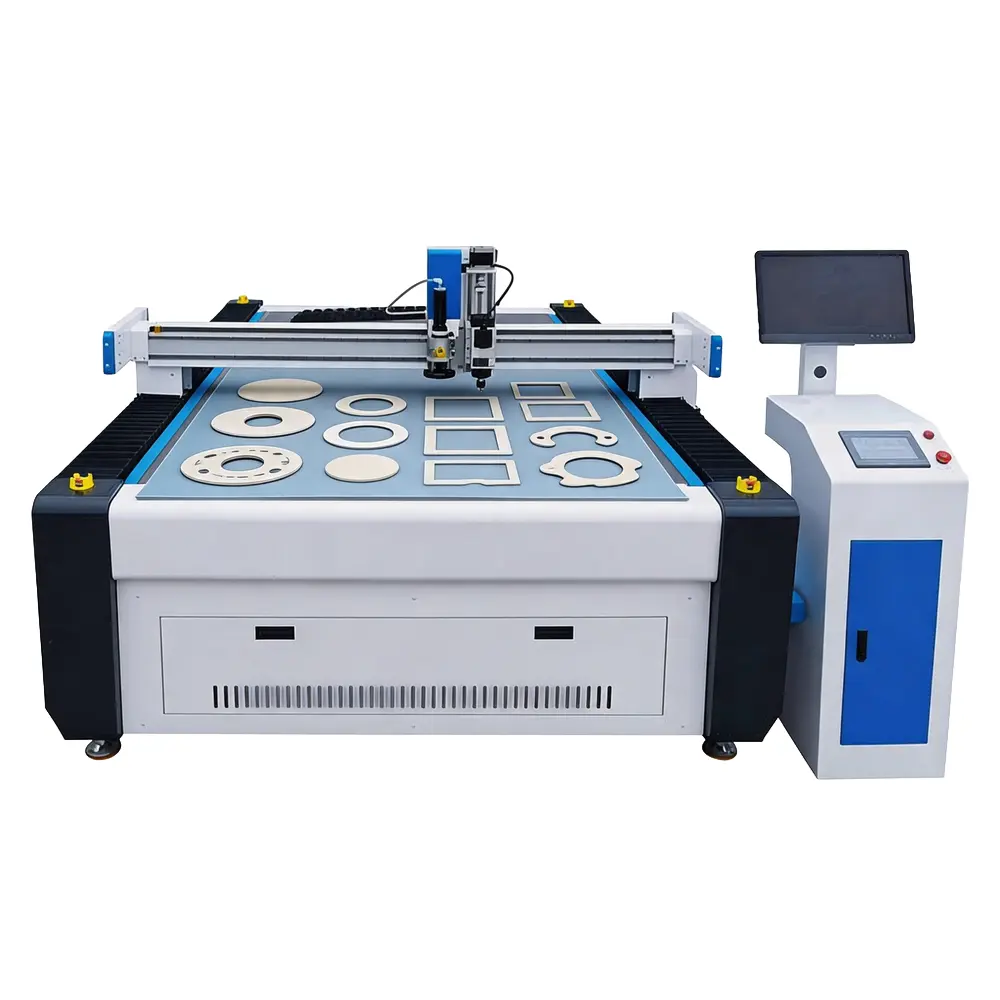
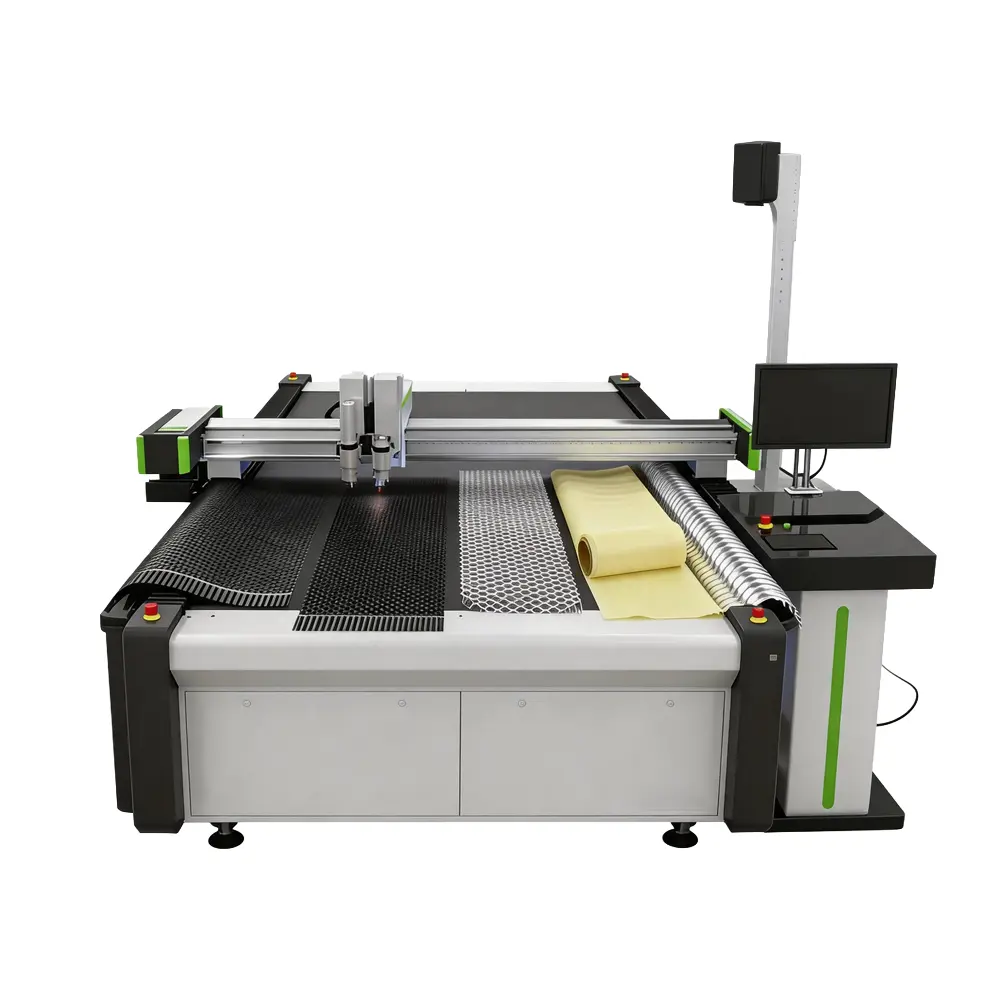
Carpet is a common flooring material, but cutting carpet accurately is not always as simple as it looks. Straight cuts can be relatively easy for a trained operator. The challenge becomes much greater when production involves irregular shapes, repeated patterns, custom dimensions, carpet tiles, vehicle flooring, exhibition flooring, or large numbers of different parts. Traditional carpet knives and manual cutting tools can work well for simple jobs. However, they rely heavily on operator skill and usually require more manual work when the number of shapes and orders increases. A CNC oscillating knife cutting machine provides a digital alternative. Instead of manually tracing and cutting each shape, manufacturers can import a digital drawing, arrange multiple parts on the material, and let the CNC knife follow the programmed cutting paths. This makes digital carpet cutting particularly useful for custom flooring, automotive interiors, modular carpet products, exhibitions, commercial spaces, and manufacturers handling multiple carpet designs. Why Is Carpet Difficult to Cut? Carpet is not one single type of material. Different carpet products may contain: The cutting behavior can therefore vary significantly. The operator may need to consider both the carpet surface and the backing material. Some of the main challenges include: A suitable